
- Open Hours: Mon - Fri 8am - 6pm
- Mail Support
- Call Support (+1-614-373-7159)
Fast and Free Shipping all over World
All Category
All Categories
- By Admin
- July 29,2026
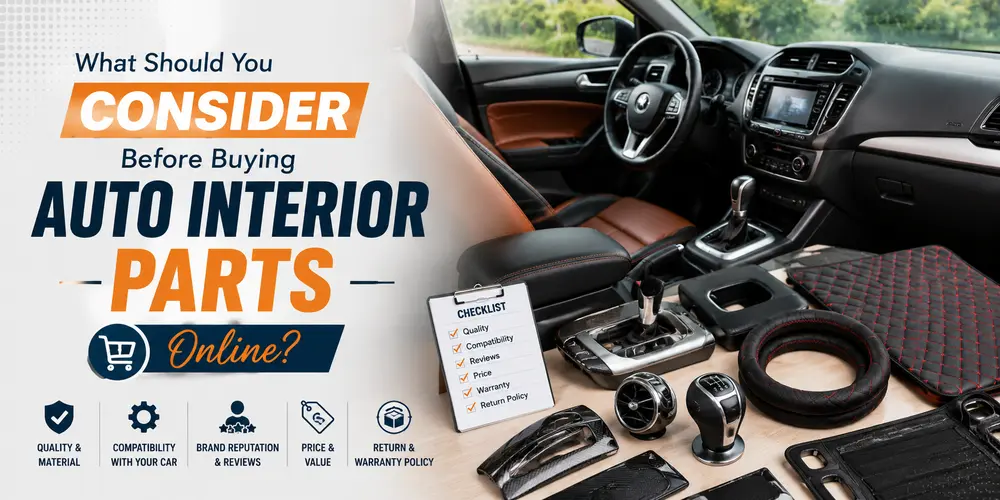
What Should You Consider Before Buying Auto Interior Parts Online?
Shopping for auto interior parts online has become the go-to thing now for millions of vehicle owners. Like if you’re trying to freshen up worn upholstery, swap a cracked dashboard panel, or do a full vibe upgrade with new seats and wheel sets, the internet feels like it has everything. But, yeah, that convenience also brings some real-world risk: fake listings, low quality materials, and those vague fitment descriptions that can turn a “simple” upgrade into a pricey headache. So, before you hit “buy,” it helps to know what actually separates a smart choice from an expensive regret.
1. Know Your Vehicle’s Exact Specifications
The main reason online orders go sideways is fitment mismatch, plain and simple. Interior components, like door panels, center console trims, and all those smaller add-ons, are often built for specific makes, models, years, and even trim variants. Before you start browsing, pull your Vehicle Identification Number (VIN), your trim level, and any part numbers you can find in your owner’s manual. Then cross check those details against the listing, not just the vehicle name, because manufacturers do mid-cycle updates that can mess with compatibility. If the listing is unclear, a solid auto interior parts supplier can usually confirm fitment for you right away.
2. Material Quality Matters More Than Price
Interior parts are constantly in the mix, hands on steering wheel covers, bodies on seats, feet on floor mats—so the durability of the material affects how it feels, how it looks, and how long it lasts. Cheap synthetic leather may start cracking within months in the sun, and low-grade plastics can fade, or even warp. Try to find clear material callouts: genuine leather vs PU leather, ABS vs PVC plastic, and even foam density basics for seating comfort and longevity. Paying a bit more for legit materials usually ends up being cheaper in the long run, instead of replacing things again way too soon.
3. Research the Seller’s Reputation and Sourcing
Not every shop online treats parts the same. Some sellers move items with decent quality control, and others resell unverified inventory with zero traceability. It helps to ask where the part actually comes from. If the item is sourced straight from an auto interior parts manufacturer, that often means more consistent batches and better oversight than something that got passed through several hands. Check for verified reviews, realistic return terms, and whether they show real product photos, instead of generic stock images that look like they could fit anything in theory.
4. Compare Warranty and Return Policies
An interior part can look perfect in photos and then fail once it’s installed. A good seller should offer a clear warranty timeframe and a return process that’s not overly hostile especially if the issue is legitimate fitment. Read the fine print about who pays return shipping, how long you have to report a defect, and whether the warranty covers manufacturing problems or only shipping damage. If a listing basically gives no warranty info at all, that’s not “neutral,” it’s usually a red flag.
5. Check Installation Requirements and Included Hardware
Some interior parts show up as full bolt-on kits, while others need extra clips, adhesives, or even professional install. Before you order, check if mounting hardware is included or if it’s sold separately, and whether the job requires trimming, wiring changes, or special tools. This matters even more for bigger upgrades. For example, if you’re replacing a seat assembly, you should verify the mounting brackets, rail systems, and any airbag sensor connector compatibility (if your setup has that) so you don’t end up with mismatched hardware that turns a weekend project into a shop appointment.
6. Understand Shipping Timelines and Packaging Standards
Bigger interior pieces, dash panels, door cards, seating units need proper packaging so they don’t crack or slide around during shipping. See if the listing mentions protective packaging, and realistic delivery timelines. Specialty parts can take longer, so plan lead time if you’re trying to install by a certain date. A well-known auto interior distributor may have regional warehousing, which can reduce transit time, and lower the odds of damage compared to smaller sellers shipping from far away.
7. Look Beyond the Interior- Think About Complementary Upgrades
While you’re shopping interior parts, it’s also smart to think about how the whole vehicle presentation comes together. A lot of buyer’s pair cabin refreshes with exterior changes like new wheel sets, because a matched look between inside and outside tends to boost the overall vibe and even resale appeal. If you can bundle purchases with one seller that handles both areas, it can simplify logistics and sometimes reduce shipping costs too.
8. Compare Multiple Listings Before Committing
Don’t just grab the first listing that pops up. Compare specs pricing and reviews across at least three to five options to find what’s genuinely competitive. Finding the best auto interior parts for your budget is mostly about balancing material quality, seller trustworthiness, and warranty coverage, not just chasing the lowest figure. A part that’s 10% cheaper but comes with no return policy or no verified reviews usually isn’t a real deal, it’s more like a shortcut you’ll probably regret later.
Final Thoughts
Buying interior components online really doesn’t have to feel like a gamble. If you confirm fitment, look closely at material quality, do a quick read on the seller, and review the warranty terms, you cut down a lot of the chances of getting the wrong item or some subpar product. Taking these extra steps before you purchase auto interior components saves you time, money, and that annoying hassle of repeated returns. If you’re prepared to browse a broad set of seats, wheel sets, dashboards, and other interior essentials, with clear sourcing and dependable support behind it, bestautocarpartsstore.com is a good starting point.
Frequently Asked Questions
1. How do I choose the right Auto Interior Parts Manufacturer?
Choose a manufacturer with a strong reputation, quality certifications, durable materials, and feedback from real buyers that sounds consistent.
2. Why should I buy from an Auto Interior Parts Supplier?
A trusted supplier typically offers genuine items, practical support, reasonable pricing, and service that still holds up after the sale.
3. What should I check before buying auto interior parts online?
Confirm the vehicle matches, read the product specs carefully, review the warranty coverage, and double check the return policy. Also take a moment to look through customer reviews before you hit purchase.
4. How can I identify the Best Auto Interior Parts?
Focus on premium materials, dependable fitment, a reputable manufacturer, solid warranty coverage, and positive customer comments that don’t feel overly generic.
5. What does an Auto Interior Distributer do?
An Auto Interior Distributer supplies genuine interior parts, handles inventory planning, and helps make sure delivery arrives on time for customers as well as businesses.
6. Is it safe to buy Auto Interior parts online?
Yes, as long as you pick reputable suppliers, use secure payment options, rely on clear return policies, and verify customer reviews.
7. Which auto interior parts are most commonly replaced?
Seats, dashboard panels, door trims, floor mats, steering wheel covers, center consoles, and gear knobs are some of the most frequently swapped interior components.
8. Why is quality important when buying auto interior parts?
Because quality interior parts usually last longer, fit better feel more pleasant to use, look more refined, and end up being more dependable for daily driving, so it turns into a wiser investment overall.
How to Buy Car...
August 17, 2026
How to Choose a...
August 10, 2026
Buy Custom Fit...
July 17, 2026
What Are Autoca...
July 15, 2026
What Are the Be...
July 08, 2026
Everything You...
June 29, 2026
GM's Final Long...
June 29, 2026
C4-C6 Corvette...
June 23, 2026
The Definitive...
June 23, 2026