
- Open Hours: Mon - Fri 8am - 6pm
- Mail Support
- Call Support (+1-614-373-7159)
Fast and Free Shipping all over World
All Category
All Categories
- By Admin
- July 15,2026
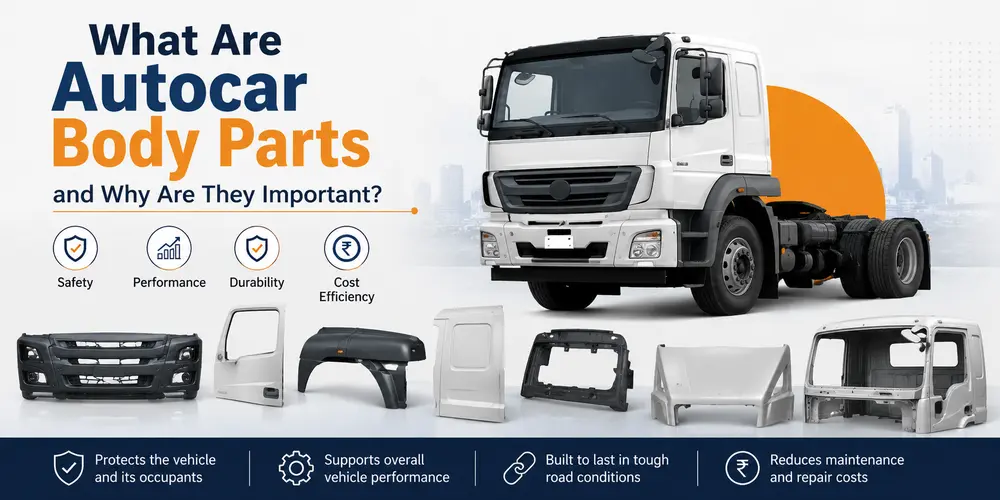
What Are Autocar Body Parts and Why Are They Important?
Every vehicle out there, whether it looks super slick or it’s more on the plain side, still leans on a mix of pieces that sort build up its outer shell and the internal structural backbone. People call these autocar body parts, and, honestly, they matter way more than most drivers ever notice. They’re not only about how the car looks, but also about keeping passengers safer during a collision, and helping the vehicle cut through air in a cleaner, more efficient way. So, if you’re stuck with a fender bender, you’re a mechanic hunting down brand-new replacement panels, or you’re trying to restore some classic ride from the past, it helps a lot to get a grip on these parts, and to know where to find a dependable body parts manufacturer. That can reduce time, spending, and that annoying headache. And if you’re also trying to boost interior comfort, a bunch of stores now let you get autocar Seats, which makes it easier to finish a full restoration or repair plan without jumping into a physical shop every single time.
Understanding Autocar Body Parts
Autocar body parts are the visible, external, and structural items that make up the car’s outer skin and supporting framework. They are different from engine, transmission, or exhaust system type parts, because these body bits lean more toward appearance safety, and aerodynamics, like one combined job. Common examples include
- Bumpers (front and rear): made to take impacts and shield the main structure below,
- Fenders: panels covering wheel wells, helping block debris, mud, and water splashes from getting inside,
- Hoods and trunk lids: access points for the engine bay and storage, but they also help shape the vehicle’s general profile,
- Doors and door panels: needed for entry and exit plus cabin insulation,
- Grilles: they guide airflow toward the radiator while giving the front fascia a clear, recognizable face,
- Mirrors and headlight/taillight housings: key for visibility and day-to-day road safety,
- Quarter panels and rocker panels: structural pieces that help frame alignment and overall body strength.
Even if some of these sound almost obvious, they’re made with precise engineering, so they match exact vehicle specs, absorb impact energy the right way, and keep structural strength exactly where it counts most.
Why Are Body Parts So Important?
1. Safety and Structural Integrity
Body parts aren’t just cosmetic decoration. A lot of them, like bumpers and quarter panels, work like crumple zones that absorb collision energy before it reaches the passenger cabin. If a part is poorly made or fitted wrong, this safety setup can get undermined, and occupants can end up more exposed to injury.
2. Protection Against the Elements
Fenders, hoods, and door panels shield the inner systems from rain, dirt, road fragments, and corrosive stuff like winter salt. Without solid body parts, internal components degrade faster, and repairs end up more expensive than they should’ve been.
3. Aerodynamics and Fuel Efficiency
How air moves around a vehicle depends heavily on the shape and condition of its body. When panels are missing or bent, air drag rises, and fuel economy dips. That’s especially noticeable on long road trips and fleet work where operating costs matter a lot.
4. Resale Value and Aesthetics
Dents, rust, or body parts that don’t match can knock resale value down pretty fast. Most buyers still judge by first impressions, so maintaining the exterior really matters.
5. Legal and Insurance Compliance
In many areas, cars with damaged lights, mirrors, or compromised structural body sections can fail inspection, or lead to road law problems. Keeping everything in good working condition also tends to affect insurance processing, and sometimes premiums too.
Sourcing Quality Body Parts: What to Look For
Since these components matter this much, it’s smart to source them from a place you can trust. That’s where working with a solid body parts supplier really pays off. A dependable supplier makes sure parts meet OEM (Original Equipment Manufacturer) standards, or they offer high-quality aftermarket replacements that still do the job properly , and fit as they should.
When you’re shopping for replacement items, focus on
- Compatibility- confirm the part matches your vehicle’s make, model, and year,
- Material quality- look for high-grade steel, aluminum, or reinforced polymer materials,
- Certification- items that meet safety industry standards are usually more dependable,
- Warranty- a good body parts distributor should back products with warranties, which means less stress after you buy.
Also, a reliable supplier network often gives you faster shipping, better pricing through bulk arrangements, and access to a wider catalog especially helpful for common vehicles, but also when a rarer model shows up in the shop.
Finding the Best Body Parts for Your Vehicle
Not every auto component is built the same, so finding the best body parts for your specific case takes a little research. Here are a few practical moves:
- 1. Compare OEM vs. Aftermarket: OEM usually fits exactly, but can cost more. Aftermarket can still be excellent, if it comes from a reputable maker, and if the fitment is properly supported.
- 2. Read Reviews and Ratings: customer feedback often reveals durability and real-world fit accuracy. 3. Check Return Policies: sometimes fit issues come up, so flexible returns are a big deal.
- 4. Bundle Your Purchase: if you’re already replacing body panels, it might be a good time to get a wheel set too, so the whole vehicle gets a cohesive refresh instead of small fixes spread out over months.
Final Thoughts
Autocar body parts are way more than just the metal, and plastic bits you see on a vehicle, there’s kind of a lot happening behind the scenes too. They’re linked to safety, and performance, plus overall efficiency, and even the way the vehicle presents itself. So, whether you’re doing a small repair, or a full restoration, getting parts from a dependable channel matters quite a bit. If you’re a driver or a mechanic who wants solid components, built for dependability, with support that feels consistent, bestautocarpartsstore.com is a good place to start. You can pick up what you need, from body panels to seats and wheel sets, all in one go, without spending ages digging around.
Frequently Asked Questions
1. What are autocar body parts?
Autocar body parts are pretty much the outside, and the supporting components of a vehicle, like bumpers, doors, bonnets, fenders, mirrors, and grilles. They don’t just “cover” stuff, they help protect the car and also make it look right.
2. Why are body parts important for a vehicle?
They give structural protection, help with safety during impacts, support aerodynamics, and keep that general visual appeal where it should be.
3. When should damaged body parts be replaced?
You should replace them if they’re cracked, bent, rusted, misaligned, or if after an accident they just aren’t delivering proper protection anymore.
4. How do I choose the right replacement body parts?
Match your vehicle model, go for durable materials, and rely on trusted manufacturers or distributors.
5. Can replacing body parts increase resale value?
Yes. When a vehicle has well-made replacement panels, and a cared-for exterior, it usually attracts more buyers and tends to sell for a better price.
6. What is the difference between a Body Parts Manufacturer and a Body Parts Supplier?
A Body Parts Manufacturer actually produces the automotive components. A Body Parts Supplier supplies those parts to repair shops, retailers, and vehicle owners, sort of the middle link that helps everything stay in motion.
7. Why should I buy premium body parts instead of cheaper alternatives?
Premium parts generally last longer, fit correctly, provide better safety backing, and lead to a more stable long-term outcome. Cheaper options can seem ok at first but it’s often more headaches later.
8. Where can I buy quality autocar body parts online?
You can browse a broad range of premium automotive body parts, seats, wheel sets, and extra items at bestautocarpartsstore.com. It makes maintaining, and even upgrading, your vehicle much easier, without the extra stress.
How to Buy Car...
August 17, 2026
How to Choose a...
August 10, 2026
What Should You...
July 29, 2026
Buy Custom Fit...
July 17, 2026
What Are the Be...
July 08, 2026
Everything You...
June 29, 2026
GM's Final Long...
June 29, 2026
C4-C6 Corvette...
June 23, 2026
The Definitive...
June 23, 2026