- Open Hours: Mon - Fri 8am - 6pm
- Mail Support
- Call Support (+1-614-373-7159)
Fast and Free Shipping all over World
All Category
All Categories
- By Admin
- August 10,2026
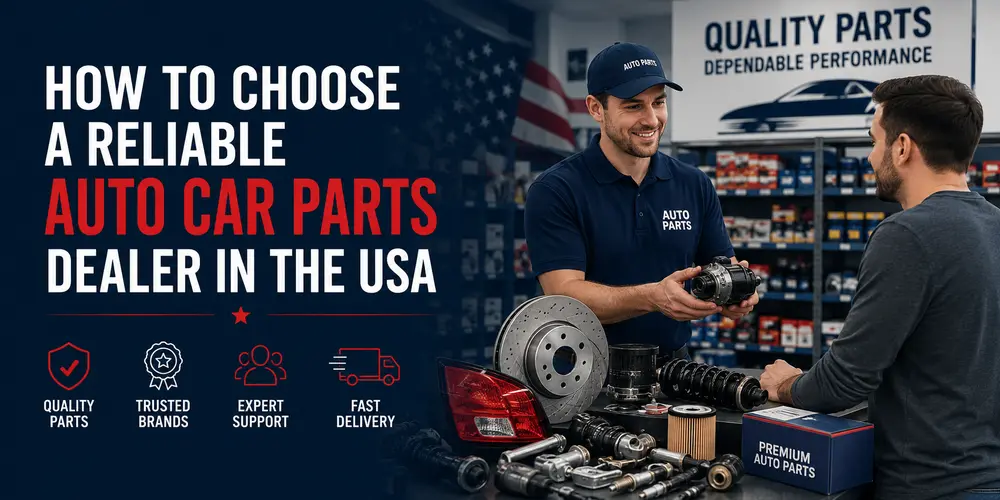
How to Choose a Reliable Auto Car Parts Dealer in the USA
Every car owner ends up with the same problem eventually: a part wears out, breaks, or just needs an upgrade, and suddenly you’re out there looking for a place that you can trust to actually sell the right thing. Since there are so many Car Part Dealers in the USA competing for your attention, choosing the right one can feel a little bit too much. Whether you’re trying to grab a replacement alternator, a new set of Car Wheels sets, or something as basic as a new Car Seat, the dealer you pick basically decides if you’ll get quality parts that hold up, or a mess that wastes your time and money. So this guide is going to walk you through what to check, step by step, so you shop with more confidence.
Why Picking the Right Supplier Really Matters
Auto parts aren’t all the same, and honestly sellers aren’t all operating on the same standards either. A reliable supplier doesn’t just hand you a product and say “good luck”. A good one sources from solid manufacturers, does inventory checks, and sticks around with support if anything goes sideways. A bad supplier may try to push mismatched, low-grade, or even counterfeit components that fail pretty quickly. And because your vehicle’s safety and performance depend on those parts working correctly, this is not the place to cut corners.
1. Look Up Reputation, reviews and the whole vibe
Before you buy anything, take a little time and research the seller. Check customer reviews on Google, Trustpilot, or sometimes industry-specific forums too. Genuine Automobile Part Dealers in the USA usually show a verifiable history—years in business, steady positive feedback, and clear contact details. Be cautious when a supplier has no real online presence, a vague address, or a bunch of “new” five-star reviews that all sound almost identical. A quick search can show the red flags before you ever place an order, so it’s worth it.
2. Confirm Part Quality and Where it Comes From
A trustworthy dealer is usually clear about whether a part is OEM (Original Equipment Manufacturer) or aftermarket, and they should explain the sourcing in a straight way. If you’re browsing Car Spare Parts in the USA, ask if the supplier tests parts before shipping, and whether they share certification or compliance info, especially for safety-critical pieces like brakes, airbags, or steering assemblies. Quality sourcing is kinda the whole foundation here, because without it you’re gambling.
3. Make Sure Their Inventory is Big and Easy to Use
The best suppliers make it simple to find what you need. A well-organized catalog where you can search by make, model, and year saves you from hassle and also lowers the odds of ordering the wrong item. That matters a lot when you’re shopping for New and Used Auto Parts, because compatibility issues are probably one of the most common reasons for returns. A dealer with a broad inventory, from engine components to interior essentials, is often a sign they’re established and not just pretending.
4. Compare Pricing, but don’t throw out quality
Price matters, sure, but the absolute cheapest option isn’t always the smartest choice. Reliable suppliers have pricing that makes sense based on sourcing, testing, and quality control, not ultra-low numbers that feel like corners got cut. When comparing a Car Accessories Online Store with other competitors, don’t only stare at the price tag, also check shipping costs, return policies, and warranty coverage. Paying a bit more upfront is often worth it, especially if it means the part actually fits right and lasts.
5. Review Warranty and Returns
Even high-quality parts sometimes don’t work out, maybe it’s a fitment issue, maybe it’s a manufacturing defect, whatever it is you still need protection. A reliable supplier should have a clear warranty and return policy that actually helps you. Read the fine print before buying: How long is the warranty? Who pays for return shipping, and is there a restocking fee? Suppliers that hide this stuff or make it hard tend to be the last ones you want to deal with once something matters.
6. Look at Shipping Speed and Packaging Standards
Auto parts, especially bigger or fragile ones, need proper packaging so they arrive without damage. Ask about average shipping times, whether tracking is available, and how they pack items for transit. A supplier that ships promptly and protects your order in shipping tells you something about how they operate day to day, and that’s a good sign for the rest of the buying experience too.
7. Look for Specialty and Accessory Options
Besides the core mechanical pieces, a solid supplier will usually have add-ons and comfort upgrades too. If you’re freshening up your vehicle’s interior, swapping a worn Car Seat can seriously boost both comfort and safety, especially on those longer trips. A place that carries that stuff next to the mechanical parts suggests they get the whole picture, not only the basics.
8. Confirm Compatibility Tools and Support
One of the most annoying moments with online auto parts is getting to check out, then later realizing the part won’t fit your vehicle. Dependable suppliers give you VIN lookups, fitment check charts, or they have real people on hand who can confirm compatibility before you purchase. This matters a lot for items like Car Wheels sets, since size, bolt pattern, and offset all have to match up tightly, or you can end up with handling problems or even damage.
9. Trust Longevity and Industry Presence
Suppliers that have been around for years, and built working relationships with manufacturers, tend to keep quality and service more consistent. Longevity in a crowded industry often means they’re doing something right, keeping customers around, honoring warranties, and protecting their name.
Final Thoughts: Best Auto Car Parts Dealer in the USA
Finding a reliable auto car parts dealer in the USA takes a little digging, but it usually pays off later with better-fitting parts, fewer headaches, and actual savings. Stick with reputation, quality sourcing, clear policies, and support that responds, and you’ll be in good shape for a smoother buying experience every time you need a replacement part or accessory. If you’re hunting for a one-stop spot that covers everything, bestautocarpartsstore.com is a site worth checking out. From everyday spare parts to specialty accessories, it’s designed to make the “right part” step simpler and less stressful for your specific vehicle.
Frequently Asked Questions
1. How do I know if an auto parts supplier is legitimate?
Try to find contact details you can actually verify, plus real customer reviews. Also, check for clear return policies, and see if they explain plainly whether the parts are OEM or aftermarket.
2. Is it safe to buy used auto parts online?
Yes, but only if the supplier inspects and grades the used parts before they list them, kind of like a quick quality check first. And they should give you at least some warranty or guarantee about how the parts function.
3. What's the difference between OEM and aftermarket parts?
OEM parts are made by the vehicle’s original manufacturer. Aftermarket parts are produced by third-party companies. Both can be dependable, but the quality can swing around, especially with the aftermarket brand.
4. How can I make sure a part will fit my car?
Use your VIN number, or search by exact make model and year. Then double-check the fitment using the supplier’s tool, or confirm with their customer support, before you place the order.
5. Do reliable suppliers offer warranties on car parts?
Yes, most credible dealers include some form of warranty. It can be as short as 30 days, up to a full year or longer, depending on the part type and the supplier.
6. What should I look for when buying car wheels online?
Verify the size, the bolt pattern, and the offset, because those need to match your vehicle. Also choose a supplier that offers fitment verification, and has a return policy that’s easy to find and understand.
7. Are online auto parts stores cheaper than local shops?
Usually yes. Online stores often have lower overhead, and more competition, so pricing can look better, but don’t forget to factor in shipping costs.
8. How long does shipping usually take for auto parts?
It depends on the supplier, and whether the part is in stock. Still, reliable shops usually show estimated delivery windows, and tracking details at checkout.
How to Buy Car...
August 17, 2026
What Should You...
July 29, 2026
Buy Custom Fit...
July 17, 2026
What Are Autoca...
July 15, 2026
What Are the Be...
July 08, 2026
Everything You...
June 29, 2026
GM's Final Long...
June 29, 2026
C4-C6 Corvette...
June 23, 2026
The Definitive...
June 23, 2026