- Open Hours: Mon - Fri 8am - 6pm
- Mail Support
- Call Support (+1-614-373-7159)
Fast and Free Shipping all over World
All Category
All Categories
- By Admin
- June 23,2026
If it’s not listed, it’s not currently available. Our sellable inventory is cataloged online, and it changes often—check back or contact us about what may be coming soon..
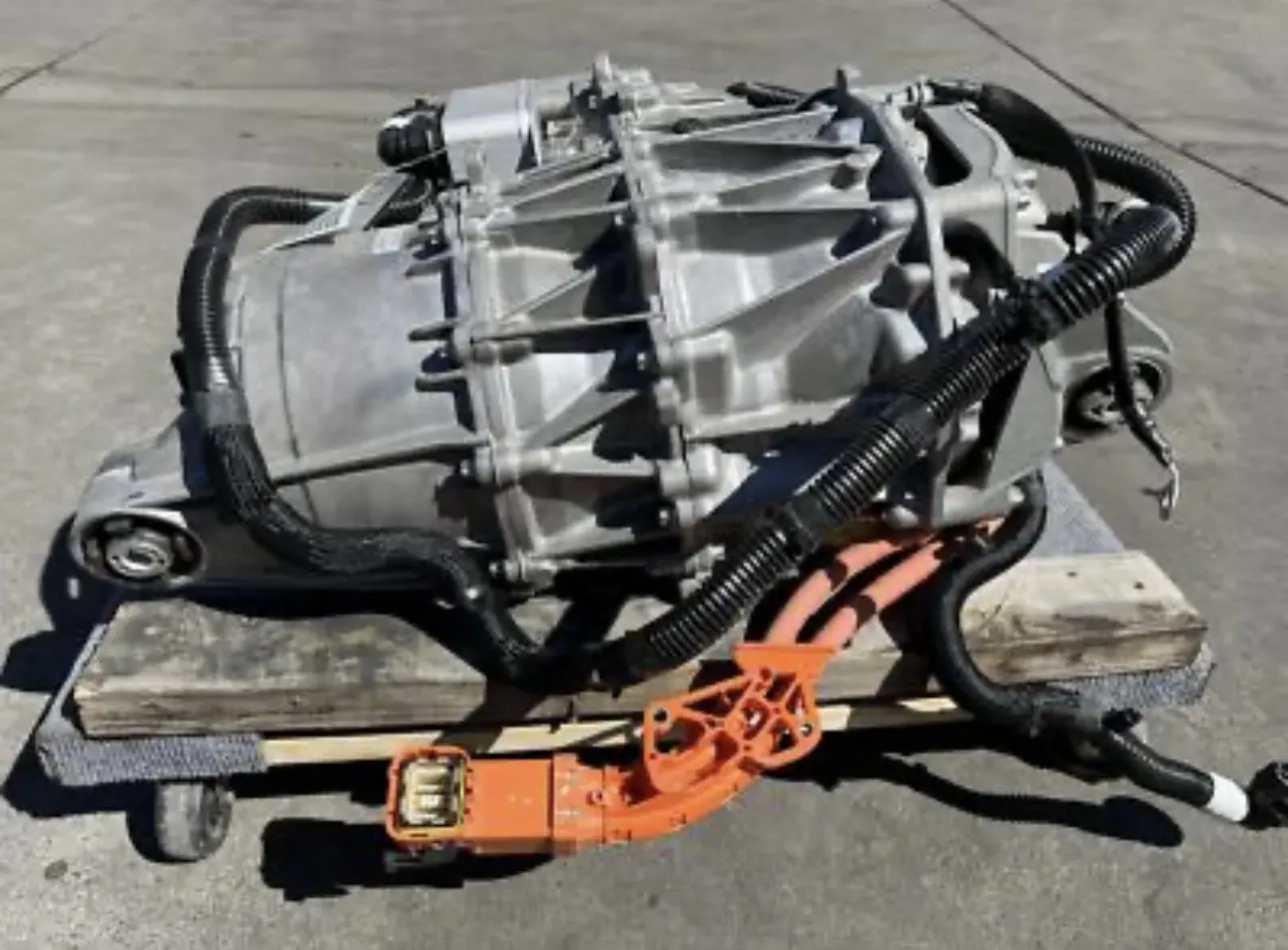
How to Replace a Tesla Model 3 Drive Unit
The Model 3 drive unit is one of the most reliable EV powertrains ever built. Tesla's small drive unit design — motor, inverter, and reduction gear all in one sealed housing — has racked up hundreds of millions of miles across the fleet with very few catastrophic failures.
But "reliable" isn't "indestructible." When a Model 3 drive unit does fail, the repair quote from a Tesla Service Center can be staggering. For a six-year-old car with 80k miles, the bill often doesn't make sense on paper.
Here's the honest breakdown of what's involved, what fails, your real options, and how to avoid getting taken on either end of this repair.
What a "Drive Unit" Actually Is
If you grew up working on ICE cars, the Tesla terminology is a little confusing. A "drive unit" isn't just the motor. It's:
- The electric motor (induction or permanent magnet, depending on year and trim)
- The inverter (converts DC from the battery to AC for the motor)
- The reduction gearbox (single-speed, fixed ratio around 9:1)
All of it lives in one sealed aluminum housing, cooled by the same coolant loop that handles the battery and onboard charger. So when something inside fails, the standard repair isn't to crack the case open and fix the bad part — it's to swap the whole unit. The labor to disassemble and rebuild a sealed drive unit isn't economic for most shops, including Tesla.
Front vs. Rear: Which One Does Your Model 3 Have?
This matters a lot for parts sourcing.
- Standard Range / RWD Model 3: Single rear drive unit. If it dies, you replace one.
- Long Range AWD: Two drive units — a smaller front unit (induction motor on most pre-2023 cars, permanent magnet on some later builds) and a larger rear unit.
- Performance: Two drive units. The rear is similar to the AWD's rear. The front is upgraded for more power.
The rear units across Long Range and Performance trims are often cross-compatible, but year and revision matter. Front units differ more between AWD and Performance.
Why Model 3 Drive Units Actually Fail
In our experience pulling these from salvage cars and talking with EV repair shops, the common failure modes are:
- Coolant intrusion into the stator. A bad seal or cracked coolant passage lets coolant into the motor windings. Usually catastrophic.
- Rotor bearing failure. Manifests as a whine that gets worse with speed. Sometimes the only symptom for thousands of miles before it gets serious.
- Inverter electronics. Less common, but high-power components can fail and usually throw a specific error code.
- Reduction gear noise. Whining or clunking from the gearbox side. Not always fatal, but usually means the unit's days are numbered.
Most of these fail well after 100k miles. Catastrophic early failures exist but are rare and often warranty-covered.
When DIY Makes Sense
You should probably not DIY this unless:
- You've worked on hybrids or EVs before, or you have professional HV training.
- You have access to a proper lift and the right tools.
- You're comfortable with the firmware/coding side, or you've lined up a mobile diagnostic tech to handle that step.
- You have the time. A first-timer should plan two long days minimum, not an afternoon.
For most owners, paying an independent EV shop is the right call. Used drive unit from us, labor from a shop near you. You save a substantial amount over Tesla, and you don't have to learn HV safety on the fly.
How to Buy a Used Model 3 Drive Unit Without Getting Burned
A few things to look for:
- Verified mileage. The drive unit doesn't have its own odometer, but it should be traceable to the donor car's VIN. Ask the seller.
- Reason the donor car was scrapped. A drive unit from a car that was rear-ended is great. A drive unit from a car that was scrapped for powertrain failure is obviously not. Reputable sellers will tell you.
- Test video. Watching the unit spin up under power, or at least seeing it cleanly removed and inspected, separates the real sellers from the eBay listings shipping from someone's basement. (Every drive unit we list comes with documentation.)
- Mileage range. Under 50k is great. 50–100k is fine for the price. Over 100k is acceptable if the donor car had no driveline issues and the seller has priced it accordingly.
- Warranty. Even a 30-day parts warranty tells you the seller stands behind it.
- Best Auto Car Parts Store
How to Buy Car...
August 17, 2026
How to Choose a...
August 10, 2026
What Should You...
July 29, 2026
Buy Custom Fit...
July 17, 2026
What Are Autoca...
July 15, 2026
What Are the Be...
July 08, 2026
Everything You...
June 29, 2026
GM's Final Long...
June 29, 2026
C4-C6 Corvette...
June 23, 2026